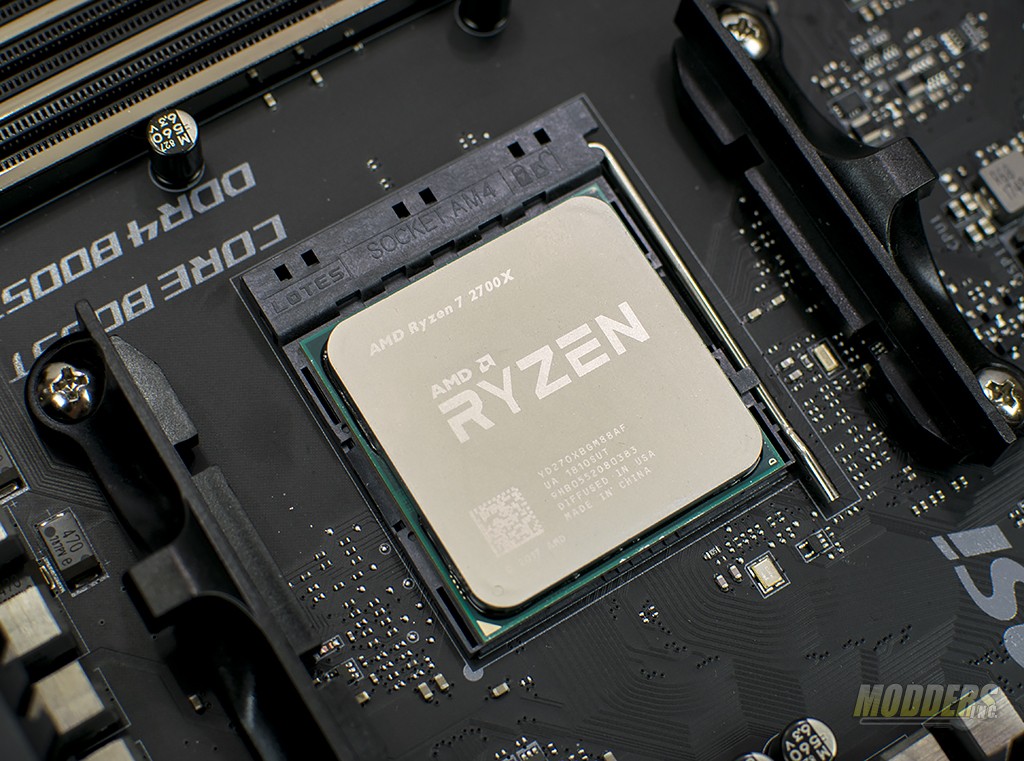
 Last June AMD delivered on its promise to deliver an AMD CPU that performed better than ever before and Ryzen was born using AMD’s Zen architecture. Just short of a year later, another Ryzen line is being released. Ryzen’s 2nd generation CPUs were kicked off with the launch of the Ryzen 3 2200G and the Ryzen 5 2400G earlier in the year. The 2nd generation of the performance Ryzen CPUs features the Ryzen R5 2600x and the Ryzen R7 2700x. These CPUs are built on a 12nm Zen+ processor and feature better memory management, Precision Boost 2, and overall higher clock speeds.
AMD made it clear in their briefing that Zen+ is not a 2nd generation Zen core but rather it is an optimization of the existing design which leads to better L1-L3 cache latencies, memory latencies, and a slight uptick in single core IPC.
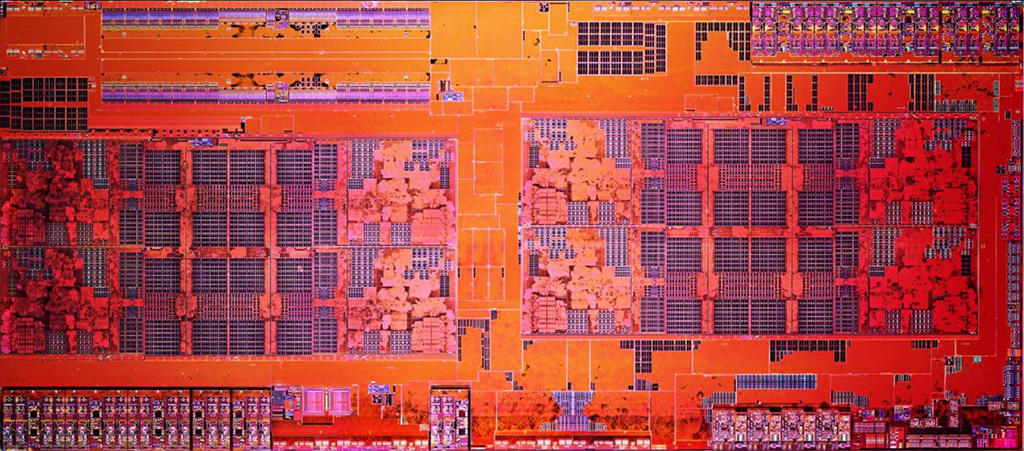 Both the R5 2600x and the R7 2700x use a dual CCX configuration. The R5 2600x uses a 3+3 configuration to make up its 6 cores and the R7 2700x uses a 4+4 configuration to make up its 8 core configuration.
AMD is still using the AM4 platform and has released a new chipset which is the X470. Fret not, however, a simple BIOS update is needed in order for the 2600x and 2700x to run on B350 and X370 motherboards. AMD plans to continue to use the AM4 platform until 2020.
| AMD Ryzen™ 7 2700X | AMD Ryzen™ 5 2600X | |
| CPU Cores | 8 Cores, 16 Threads (2 CCX: 4+4) | 6 Cores, 12 Threads (2 CCX: 3+3) |
| CPU Max Boost Clock | Up to 4.3GHz | Up to 4.2GHz |
| CPU Base Clock | 3.7GHz | 3.6GHz |
| L1$ | 64K I$, 32K D$ per core | 64K I$, 32K D$ per core |
| L2$ | 512K per core | 512K per core |
| L3$ | 16MB shared | 16MB shared |
| TDP | 105W | 95W |
| DRAM Supported | Up to DDR4-2933 (Dual Channel) | Up to DDR4-2933 (Dual Channel) |
| Transistors and Die Size | 213mm2 / ~4.8 billion | |
One of the largest changes to the new Ryzen CPUs is Precision Boost 2 and Extended Frequency Range 2 (XFR2)
Precision Boost 2
With the 1st generation of Ryzen processors, Precision Boost would crank up the clock speed based on power and/or temperature limits, however, it was limited to 2 cores for that could boost to 4.0GHz or “all core” boost to 3.7GHz on all of the cores when workloads exceeded 2 threads. Precision Boost 2 allows the 2nd generation Ryzens to crank up the clock speeds (if limits are not encountered) on any number of cores. So theoretically, you could see 4.2GHz on 4 cores again, depending on the cooling and power delivery of your set up.
 The chart above, provided by AMD, shows that when compared to the R7 1800x the R7 2700x has a 300 MHz increase when utilizing all 16 threads available.
Extended Frequency Range 2 works with Precision Boost 2 to allow the CPU to run at even higher clock speeds (to a point) based on thermal and power conditions. Better cooling yields a higher clock speed across n cores. These two systems work hand in hand. With XFR2, AMD’s algorithms are improved yielding better performance results.
Unlike the Ryzen APUs (R3 2200G & R5 2400G) and Intel’s desktop CPUs, you will need an external graphics card as the 2600x and 2700x do not have an integrated GPU.
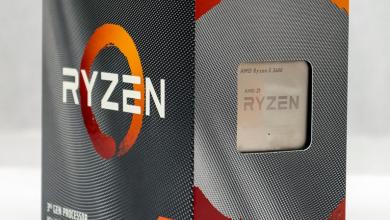
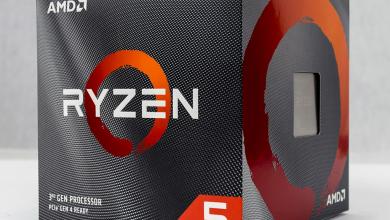
Retail packaging for the new Ryzen CPUs has changed. AMD has added coolers to both products. The Ryzen R5 2600x comes packaged with the Wraith SPIRE cooler and the R7 2700x comes with the Wraith PRISM cooler.
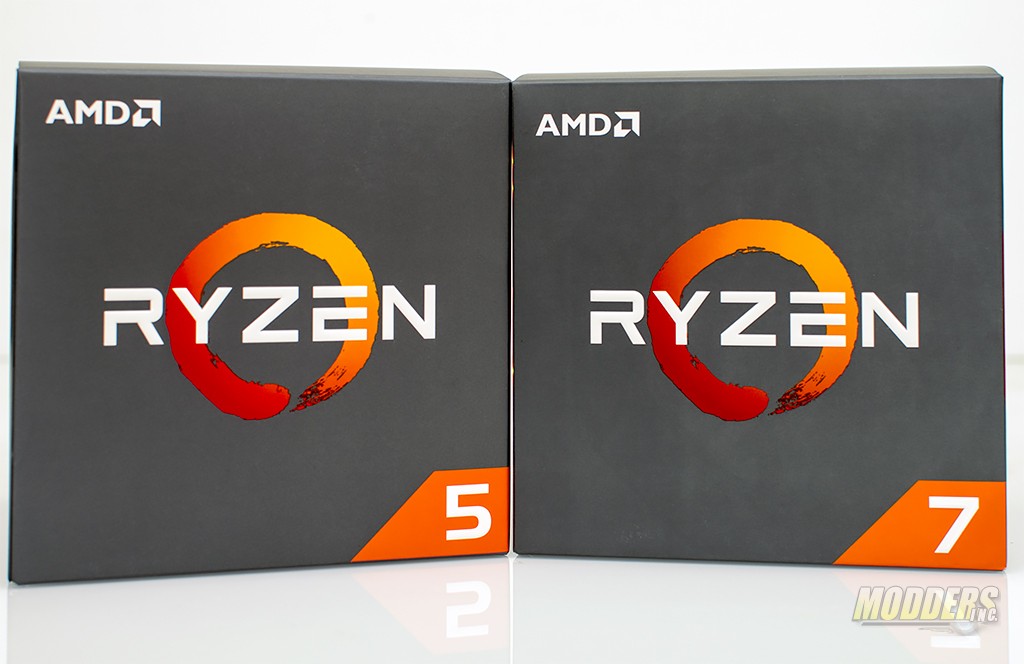
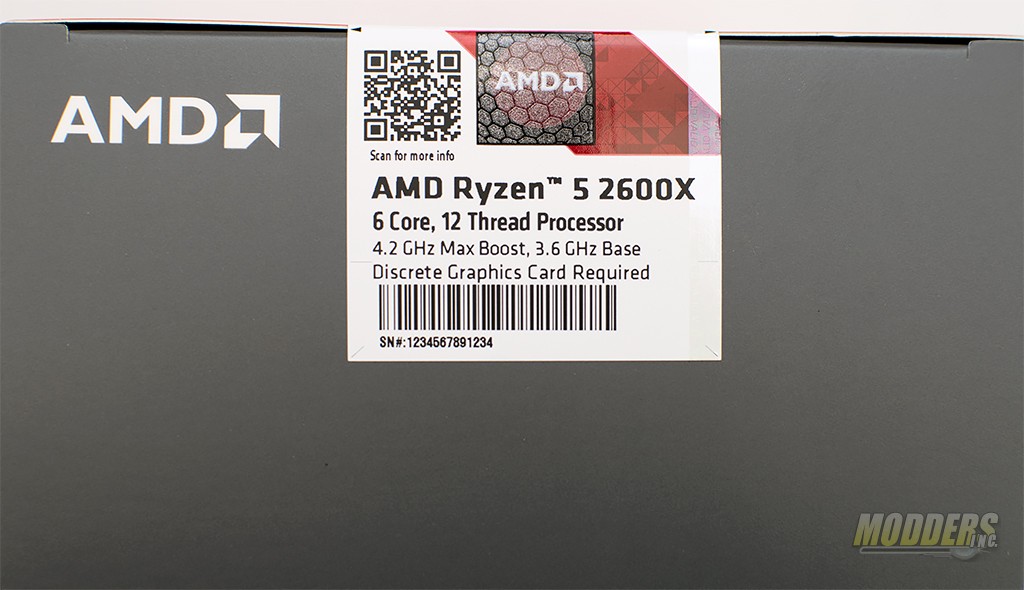
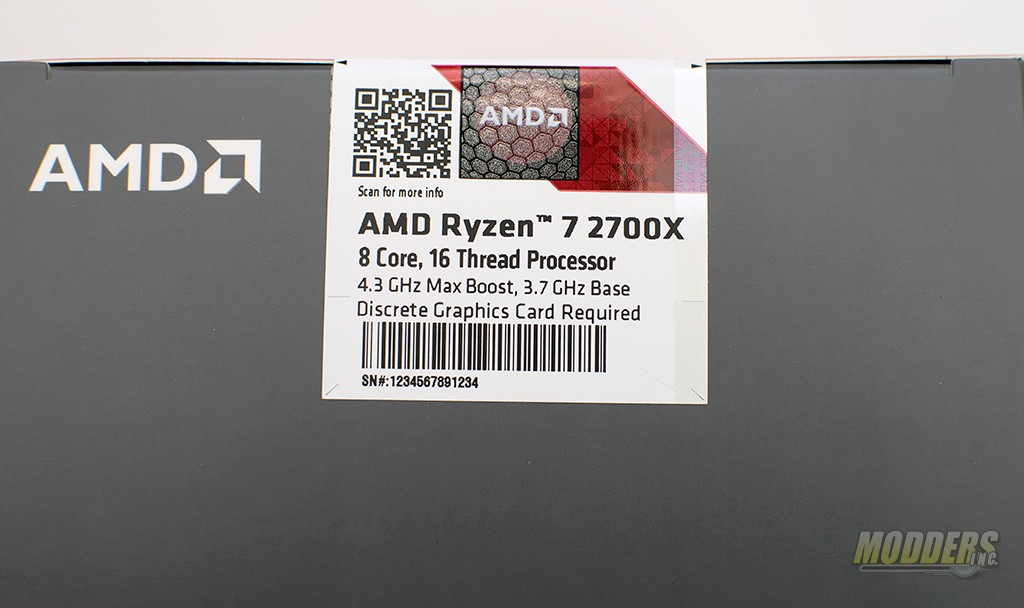
The model numbers and information are located on the sticker at the top of the box. The core/thread count is indicated as well as the base clock and max boosted speeds. AMD does let users know that a discrete graphics card is needed.
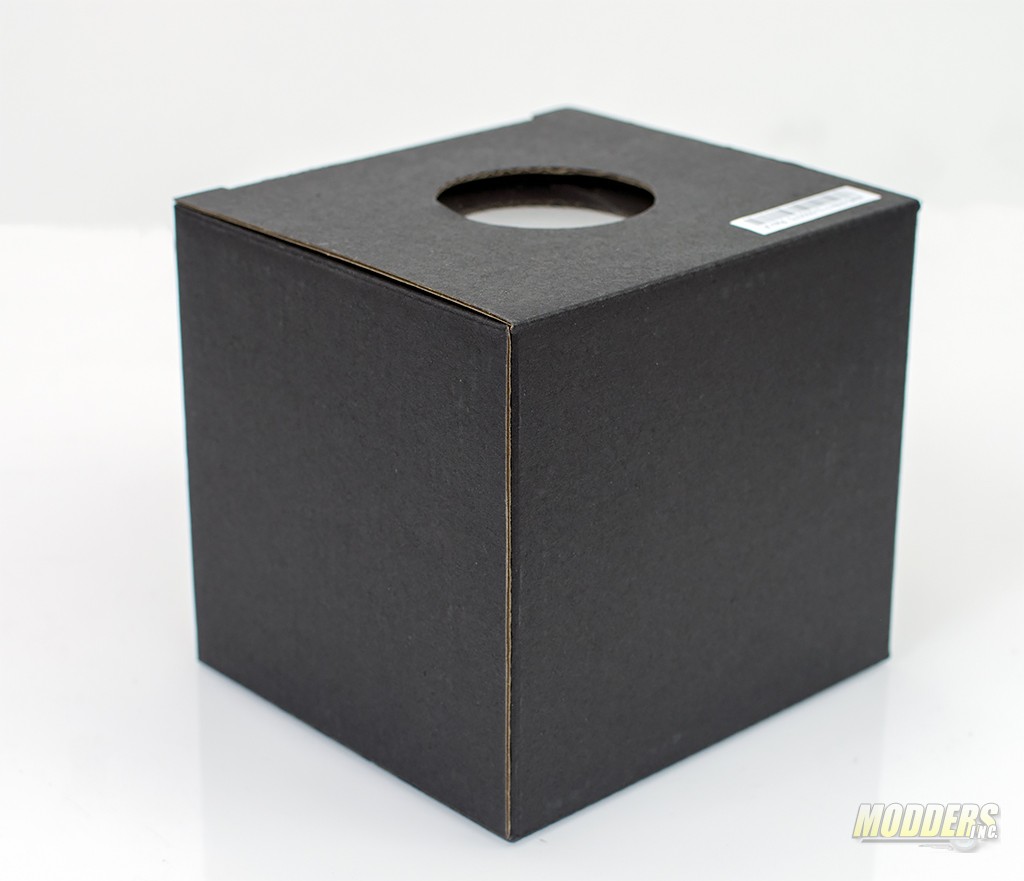
As stated before, coolers are included in both CPUs. A black protective box houses the cooler separately from the CPUs.
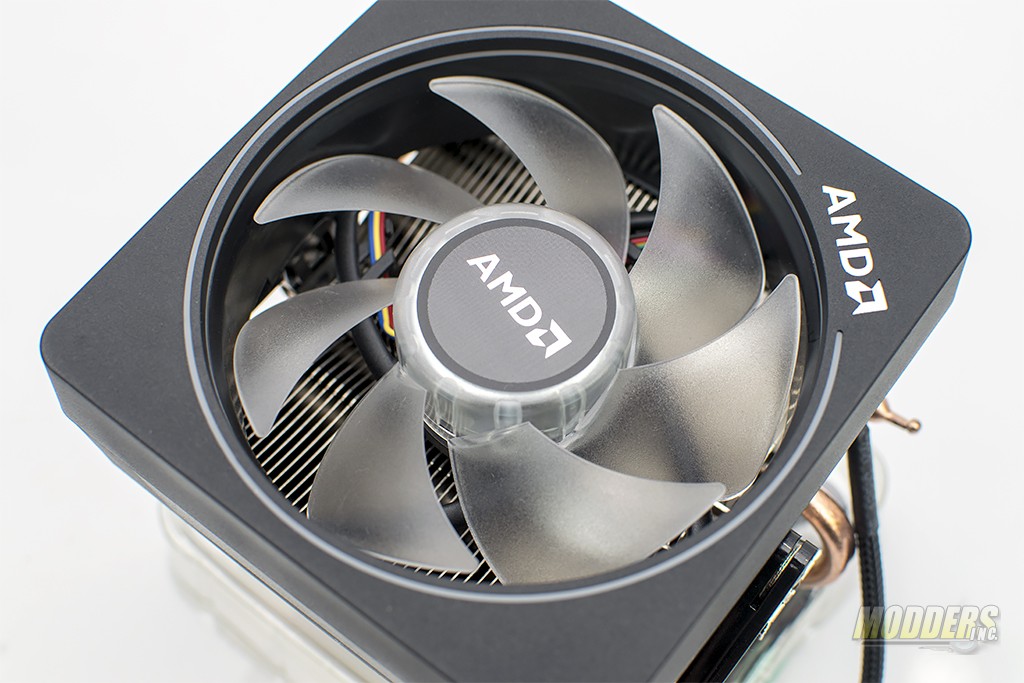
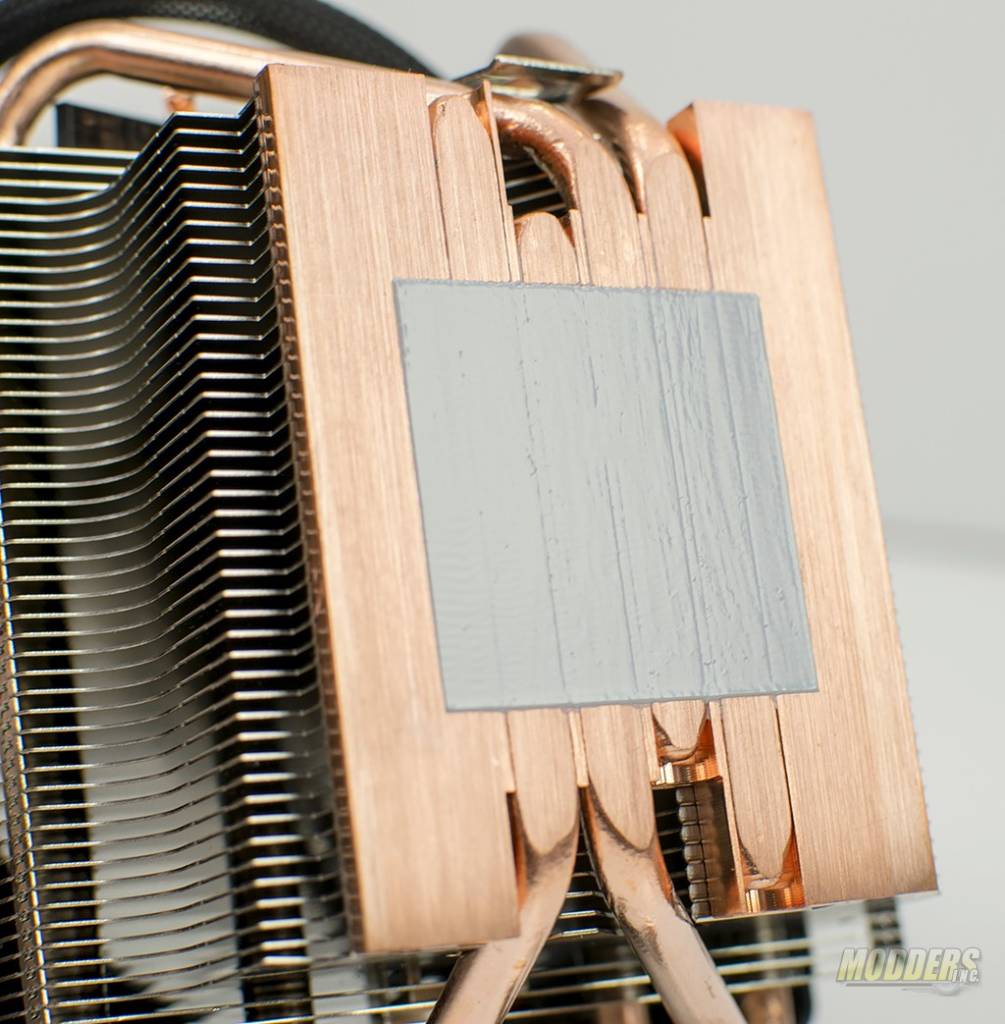
The Wraith PRISM is AMD’s top end cooler and is included in their flagship CPU. The cooler features RGB LEDs on the fan and on a ring around the fan. The cooler is a heat pipe direct touch style and comes with thermal paste pre-installed. The cold plate of the cooler isn’t very smooth and machining marks are visible. With this cooler there is no need to remove the stock motherboard retention as this cooler uses the clip style vs. as screw style retention to secure the cooler to the CPU.